

Tools, Processes, and Data-Driven Strategies in Digital Marketing
In the digital marketing landscape, productivity and performance are no longer driven by intuition alone. They increasingly depend on the intelligent use of tools, well-defined processes, and data-driven strategies. This sub-niche focuses on how marketers can structure their work and decision-making to achieve consistent, measurable results—especially in remote or hybrid environments.
Marketing tools play a foundational role in this transformation. Project management platforms, marketing automation software, analytics dashboards, and collaboration tools allow teams to coordinate tasks, track progress, and maintain transparency regardless of location. These tools reduce operational friction and enable marketers to focus on strategic thinking rather than repetitive manual work.
Processes are equally critical. Without clear workflows, even the most advanced tools lose their effectiveness. Standardized processes for campaign planning, content production, lead management, and performance review ensure alignment across teams. Well-designed processes also reduce errors, improve time management, and make productivity scalable as teams grow.
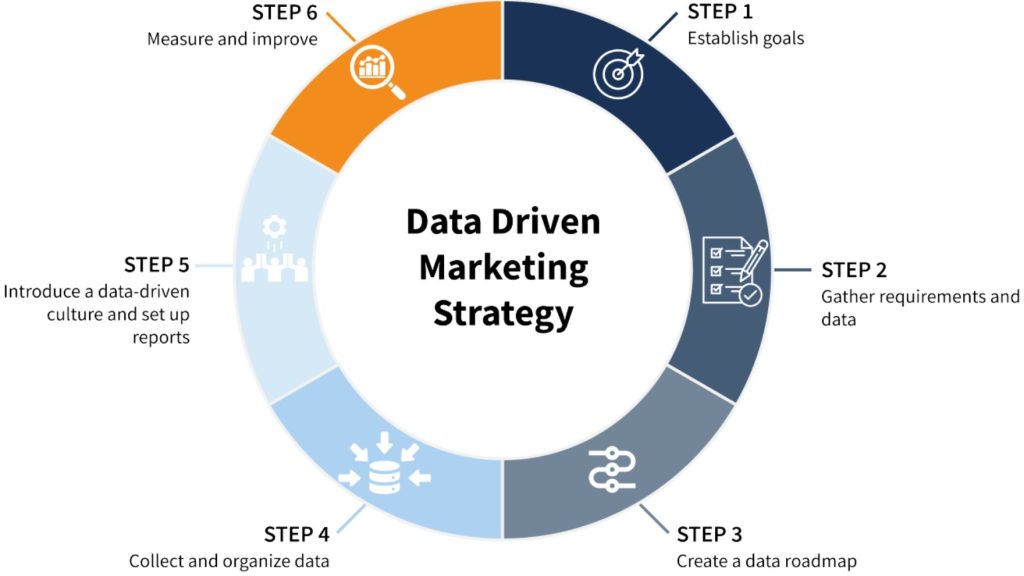
At the core of this sub-niche lies the use of data-driven strategies. Decisions based on real-time data—such as user behavior, conversion rates, engagement metrics, and ROI—allow marketers to optimize campaigns continuously. Instead of guessing what works, teams rely on evidence to refine targeting, personalize messaging, and allocate resources more efficiently. This approach strengthens both short-term performance and long-term strategic planning.
However, tools, processes, and data alone do not guarantee success. Their value depends on how well they are integrated into a coherent system. Organizations must invest in data literacy, encourage a culture of continuous improvement, and ensure that insights translate into concrete actions.
In conclusion, Tools, Processes, and Data-Driven Strategies represent a central pillar of productivity in digital marketing. When aligned effectively, they enable remote and on-site marketing teams to work smarter, make better decisions, and deliver sustainable performance in an increasingly competitive digital environment.
