Turning clicks into customers through data, measurement, and marketing intelligence.
Transforming Clicks into Customers
Leveraging Data and Marketing Intelligence to Build Sustainable Revenue Systems
In today’s digital landscape, traffic generation is no longer a meaningful measure of success.
The true benchmark of strategic digital marketing is the ability to convert traffic into predictable, profitable, and sustainable revenue.
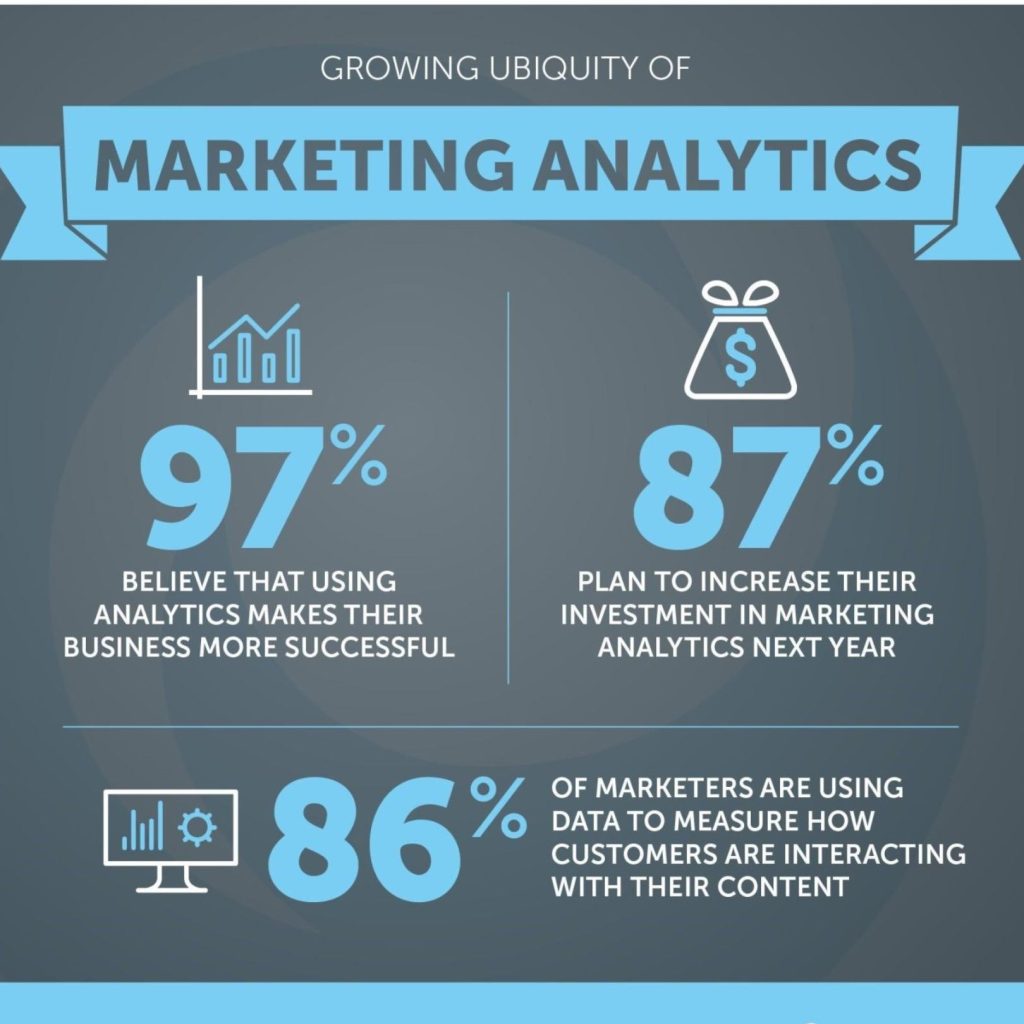
That transformation depends on one critical foundation: Data, Measurement, and Marketing Intelligence.
Moving from top-of-funnel activity to real financial outcomes requires a fundamental shift—away from “spray and pray” tactics and toward a precise, intelligence-driven growth engine.
Data is the fuel
Measurement is the steering wheel
Marketing intelligence is the navigation system
Together, they guide the entire journey from attention to revenue.
Key Components of a Sustainable Revenue System
1- Unified Data Aggregation
Break down data silos. Integrate web analytics, CRM data, email platforms, advertising channels, and sales/payment systems to create a Single Customer View.
Without unified data, optimization is guesswork.
2- Attribution and Customer Journey Mapping
Move beyond last-click attribution.
Adopt multi-touch attribution models to understand the true contribution of each channel and touchpoint across the customer journey.
Revenue is rarely created in one step—and your measurement model must reflect that reality.
3- Performance Measurement Beyond Vanity Metrics
Focus on KPIs that directly connect marketing to revenue:
Customer Acquisition Cost (CAC) and Customer Lifetime Value (LTV)
Percentage of customers and revenue sourced by marketing
Conversion rates by segment and by channel
Lead velocity rate and sales cycle length
If a metric doesn’t inform revenue decisions, it’s a distraction.
4- Predictive Analytics and Marketing Intelligence
Leverage historical data and machine learning to :
-Forecast demand and revenue trends
-Identify high-value customer segments
-Predict churn before it happens
-Optimize budget allocation for maximum ROI
-Marketing intelligence turns hindsight into foresight.
5- Closed-Loop Reporting
Connect marketing activity directly to sales outcomes.
Every dollar spent should be traceable to its impact on pipeline, revenue, and growth efficiency—creating a continuous feedback loop for optimization and decision-making.
The Strategic Outcome
When Data, Measurement, and Marketing Intelligence are embedded at the core of your strategy, marketing evolves:
From a cost center → into a revenue engine
You enable :
Predictable growth : Revenue forecasts grounded in measurable marketing inputs
Efficient spend : Budget allocated to the highest-performing channels and campaigns
Advanced personalization : The right message, to the right person, at the right time
Sustainable systems : A self-optimizing engine that systematically converts traffic into loyal, high-value customers
Final Thought
-Sustainable revenue is not created by campaigns.
-It is created by systems.
-And the strongest systems are built on one foundation:
-actionable intelligence derived from your data.